Keyhole Review 2026: Social Listening Platform Tested

Keyhole Review 2026: Social Listening Platform Tested
Keyhole is an enterprise-grade social listening and analytics platform that pairs real-time monitoring with PR intelligence. It tracks brand mentions, competitor activity, and account performance across Facebook, Instagram, X, TikTok, YouTube, and LinkedIn, and it can surface historical data stretching back up to a decade. This review breaks down what Keyhole does well, where it falls short, what it costs, and which teams should consider it.
Quick verdict: Keyhole is strongest for agencies, global brands, and nonprofits that need broad listening coverage plus historical context. Teams that mainly want scheduling and publishing may find lighter, cheaper tools a better fit.
What Keyhole Is Built For

Keyhole product interface.
Keyhole sits in the social listening and analytics category rather than the publishing category. That distinction matters. Tools like Publer or RecurPost focus on getting posts out the door. Keyhole focuses on what happens after people talk about you.
Its core jobs are:
- Real-time social listening across six major networks
- Brand mention tracking with sentiment and volume trends
- Competitor monitoring for share-of-voice comparisons
- Account analytics covering engagement metrics
- Historical insights going back as far as ten years
- PR intelligence for communications and earned-media workflows
The platform reports more than 100,000 organizations as users and is also listed on Muck Rack, which matters if your PR team already lives inside that ecosystem.
Key Features in Practice
Real-Time Listening Across Six Networks
Keyhole monitors Facebook, Instagram, X, TikTok, YouTube, and LinkedIn. In practice, that means you can build a tracking stream around a brand name, campaign hashtag, or competitor and watch mentions arrive as they happen.
Example use case: A consumer brand launches a product with a dedicated hashtag. The social team watches volume spike in the first 48 hours, flags negative sentiment early, and routes urgent complaints to support before they escalate.
Historical Data Up to a Decade
Most listening tools cap history at a few months on lower tiers. Keyhole's ability to pull historical insights — up to ten years in some cases — is one of its clearest differentiators.
Example use case: A nonprofit preparing a five-year impact report can compare current mention volume against the same period three years ago without rebuilding old tracking from scratch.
PR and Communications Intelligence
Because Keyhole blends listening with PR intelligence and appears on Muck Rack, it suits communications teams that need to connect earned media coverage with social conversation. This is a narrower niche than pure marketing analytics, and it is where Keyhole competes less directly with general-purpose social suites.
Analytics and Engagement Metrics
Beyond raw mentions, Keyhole reports engagement metrics and account-level performance. This helps you answer questions like which posts drove the most conversation, or whether a competitor's engagement is rising faster than yours.
Who Keyhole Fits Best
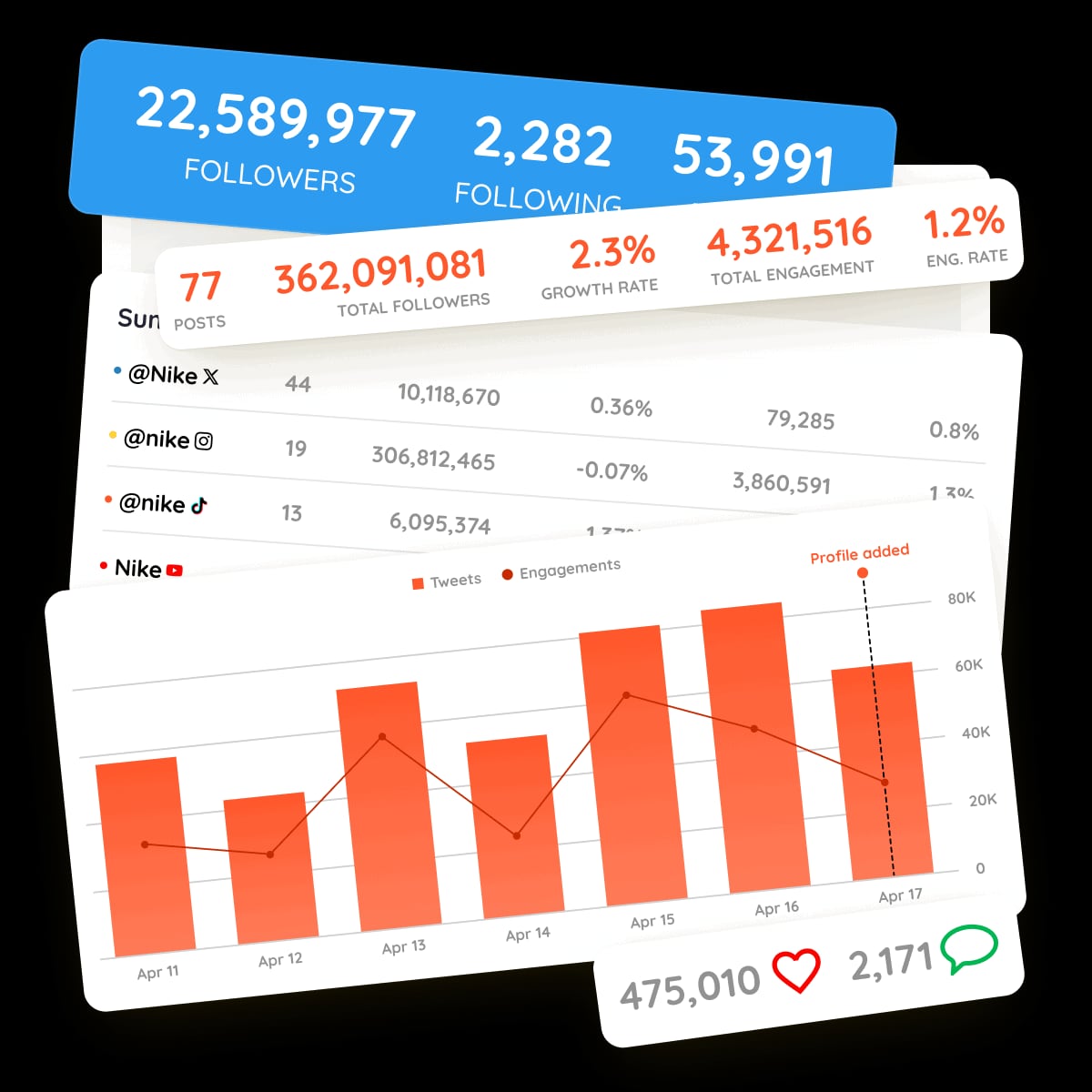
Keyhole product interface.
| User type | Fit | Why |
|---|---|---|
| Agencies managing multiple clients | Strong | Multi-brand listening and reporting in one place |
| Global brands | Strong | Broad network coverage plus historical benchmarking |
| Nonprofits | Strong | Long-horizon trend data for impact reporting |
| PR and comms teams | Strong | PR intelligence and Muck Rack integration |
| Solo creators | Weak | Overkill for single-account publishing needs |
| Small businesses on a budget | Weak | Enterprise positioning usually means enterprise pricing |
If your primary need is scheduling posts rather than listening, a publishing-first tool such as Loomly or Planable will likely serve you better and cost less.
Strengths

Keyhole Review 2026: Social Listening Platform Tested - Strengths.
- Breadth of networks. Six major platforms covered in one dashboard reduces tool sprawl.
- Depth of history. Decade-long historical data is rare at this price tier and genuinely useful for benchmarking.
- PR alignment. The Muck Rack listing and PR intelligence features make it a natural fit for communications teams.
- Scale credibility. Serving over 100,000 organizations suggests the platform handles high-volume monitoring without falling over.
- Real-time responsiveness. Live tracking supports crisis monitoring, not just retrospective reporting.
Limitations to Weigh
- Enterprise orientation. Keyhole is not positioned as a budget tool, so smaller teams should expect pricing friction.
- Listening-first, not publishing-first. If you need to schedule and publish content, you will need a second tool.
- Analytics depth varies by plan. Historical access and advanced metrics are typically gated behind higher tiers.
- Learning curve. Multi-stream listening setups take time to configure well, especially across several brands.
- Niche overlap. Teams already using a full social suite may find feature overlap rather than clear added value.
Pricing Signals
Keyhole does not publish a simple public price list in the way many scheduling tools do. Based on its enterprise positioning and the way comparable listening platforms are sold, expect:
- Quote-based pricing rather than self-serve checkout
- Tiered plans that scale by number of tracking streams, users, and historical data access
- Annual commitments as the norm for larger accounts
- Custom enterprise agreements for agencies and global brands with many brands or regions
Practical advice: Before requesting a quote, list exactly how many brands, hashtags, and competitors you need to track. Volume drives cost more than seats in most listening contracts.
Setup and Onboarding
Setup generally follows this pattern:
- Define tracking streams. Decide which brand names, hashtags, keywords, and competitor handles to monitor.
- Connect accounts. Link the social profiles you want account-level analytics for.
- Configure sentiment and alerts. Tune what counts as negative or urgent so alerts stay useful.
- Build dashboards. Set up views for each stakeholder group — executives want different numbers than community managers.
- Validate data. Run a week of tracking and compare it against manual checks before you trust the numbers in a report.
Budget real time for step five. Listening tools are only as good as their query configuration, and a poorly scoped stream produces noisy data that erodes trust in the whole platform.
How to Decide: Keyhole vs Alternatives
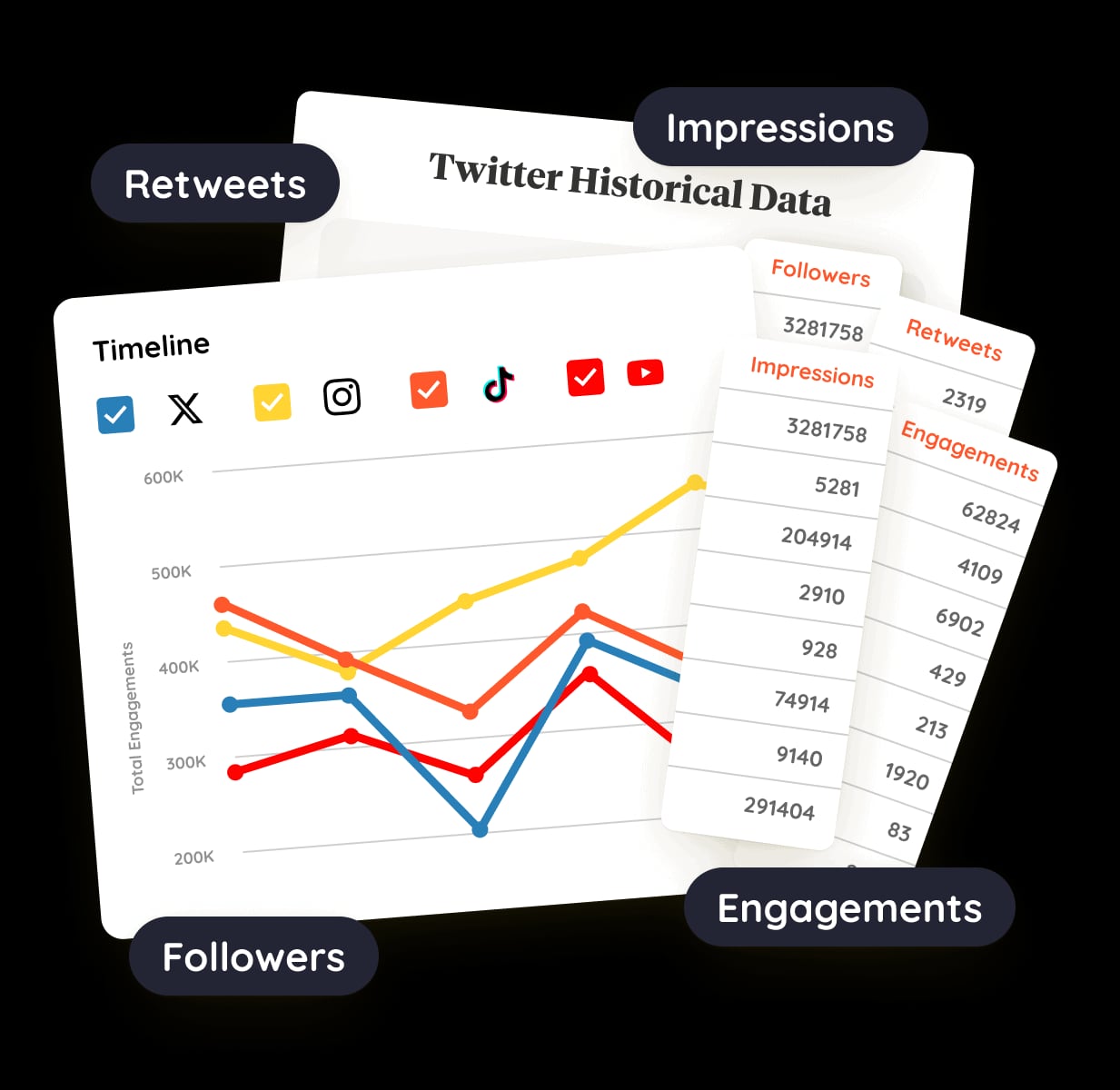
Keyhole product interface.
Ask these questions in order:
- Do you need listening or publishing? If publishing, look elsewhere first.
- Do you need long historical data? If yes, Keyhole's decade-long history is a strong argument.
- Is PR part of your workflow? If your comms team uses Muck Rack, the integration reduces friction.
- How many brands do you track? More brands favor a listening platform; fewer favor a lighter tool.
- What is your budget shape? Quote-based enterprise pricing suits funded teams, not bootstrappers.
For teams that want analytics plus audience insight without full enterprise listening, Fedica is worth comparing. For AI-assisted scheduling with agent workflows, Wahlu and RobinReach occupy a different part of the market entirely.
Related reading
- Zoho Assist Review 2026: Features, Pricing, and Who It Fits - Evidence-based Zoho Assist review covering features, pricing, setup, performance, limitations, and ideal users for IT teams, help desks, and MSPs.
Sources and further reading
- Dare you to read my first paragraph movie review - Roger Ebert - May 2, 2012 ... But for me, a movie like “Keyhole” plays like a fever dream using the elements of film noir but restlessly rearranging them in an attempt to ...
- Keyhole | Rotten Tomatoes - Discover reviews, ratings, and trailers for Keyhole on Rotten Tomatoes. Stay updated with critic and audience scores today!
- Review: Guy Maddin's 'Keyhole' Beautiful And Brassy ... - IndieWire - Review: Guy Maddin's 'Keyhole' Beautiful And Brassy...But Frustratingly Sealed
FAQ
Is Keyhole a social media scheduling tool?
No. Keyhole is a social listening and analytics platform. It monitors mentions, tracks competitors, and reports engagement metrics. It is not designed as a primary publishing or scheduling tool.
Which social networks does Keyhole support?
Keyhole covers Facebook, Instagram, X, TikTok, YouTube, and LinkedIn for listening and analytics.
How far back does Keyhole's historical data go?
Historical insights can extend up to a decade, depending on the plan and the data source. This is one of the platform's main differentiators against shorter-window listening tools.
How much does Keyhole cost?
Pricing is quote-based rather than publicly listed. Expect tiered enterprise plans that scale with tracking volume, users, and historical data access, with annual contracts common for larger accounts.
Who should use Keyhole?
Agencies, global brands, nonprofits, and PR teams that need broad listening coverage, competitor benchmarking, and long-horizon historical data. Solo creators and small businesses usually need a lighter, publishing-focused tool instead.
Does Keyhole integrate with PR tools?
Yes. Keyhole is available on Muck Rack, which supports integrated communications workflows for PR teams already using that platform.
Conclusion
Keyhole earns its enterprise reputation through breadth and history: six networks, real-time monitoring, and up to ten years of retrospective data, backed by a PR intelligence layer that most listening tools lack. It is not the right choice for someone who mainly wants to schedule posts, and its quote-based pricing puts it out of reach for many small teams.
But if you are an agency, a global brand, or a nonprofit that needs to track conversation over time and connect social data to communications strategy, Keyhole belongs on your shortlist. Start with a clear list of what you need to monitor, request a quote against that scope, and validate the data against manual checks before you commit.